Top 10 Saddest Anime Character Deaths of All Time
Some anime deaths shock. The ones on this list devastate, and the difference comes down to earned buildup: a death lands hardest when the story has spent real time making a character matter before taking them away.
This list ranks the ten that hit hardest, weighing how well each death was set up, what it costs the surrounding cast, and how much the story actually reckons with the loss afterward rather than moving past it quickly.
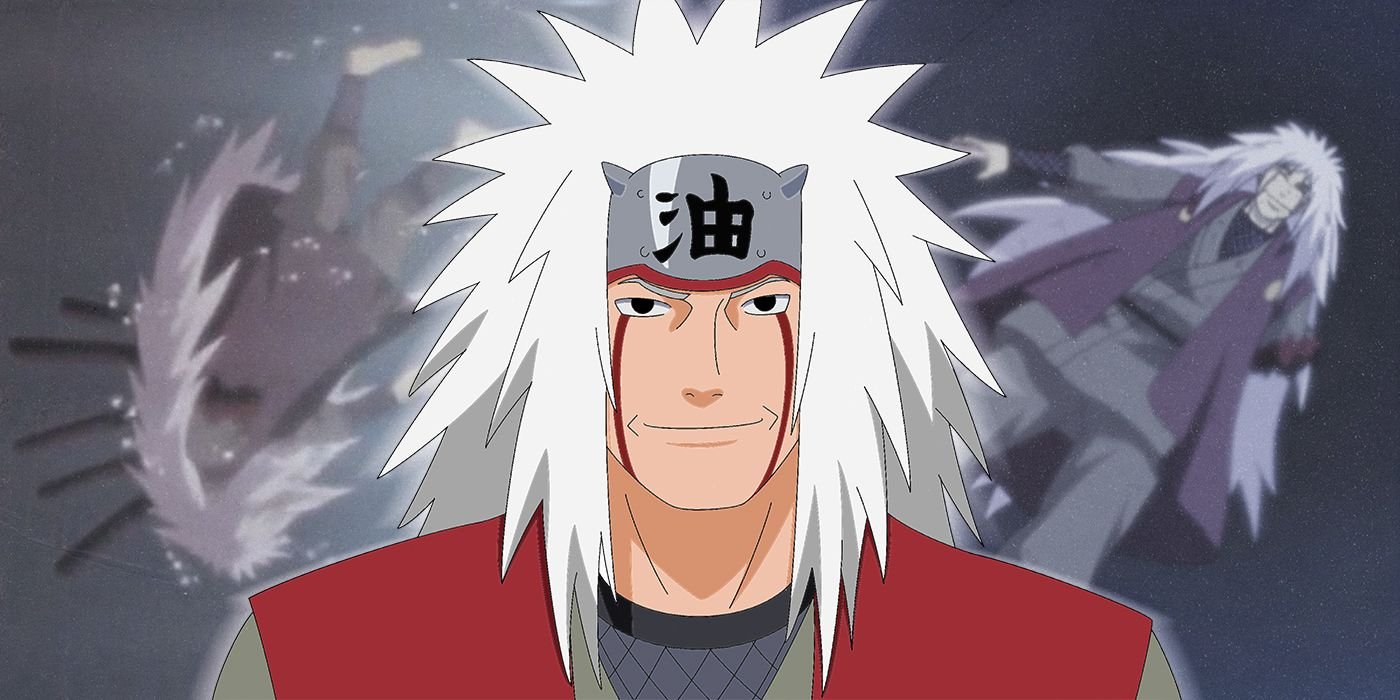
10. Jiraiya (Naruto)
Jiraiya’s death fighting Pain in Amegakure lands as hard as it does because of what he represents to Naruto specifically: not just a mentor, but the closest thing to a father figure he’d ever had. His final message, encoded in a cipher only Naruto can eventually decode, gives his death a lasting narrative purpose well beyond the immediate emotional blow.
The show’s willingness to let this loss actually shape Naruto’s growth for the rest of the series, rather than moving past it within a few episodes, is exactly why it’s remembered as one of the franchise’s defining tragedies.
Jiraiya’s own arc across the series leading up to this moment matters too. He’s introduced as comic relief, a self-described super pervert more interested in research for his novels than serious mentorship, and the story spends years slowly revealing the genuine wisdom and care underneath that surface. His death lands as hard as it does because the show earned every bit of the affection audiences had built for him by that point.
9. Maes Hughes (Fullmetal Alchemist: Brotherhood)
Hughes’s death is devastating specifically because of how ordinary it seems right up until it isn’t. A devoted family man and one of the story’s most consistently warm, funny presences, he’s killed investigating a conspiracy that the audience understands is far more dangerous than he realizes, and the show refuses to grant him a heroic last stand.
His death instead happens quickly, almost anticlimactically, which makes it land harder rather than softer, a blunt reminder that this story’s stakes are genuinely real rather than reserved for its most powerful characters.
The scenes that follow, his wife Gracia and young daughter Elicia left without knowing the full truth of what happened, and Roy Mustang’s quiet, controlled fury as he absorbs the loss of his closest friend, extend the emotional weight well beyond the moment of death itself. Mustang’s entire subsequent arc, his slow, deliberate pursuit of the people responsible, is built directly on grief he never gets to fully express, which gives Hughes’s death consequences that ripple across the rest of the series.
8. Portgas D. Ace (One Piece)
Ace’s death at Marineford remains one of the most devastating losses in the entire One Piece franchise, precisely because the story spends the entire preceding arc building the specific, agonizing hope that Luffy might save him in time. The final moment, Ace choosing to shield Luffy rather than save himself, and Luffy’s total collapse afterward, reshapes the tone of the series for a long stretch that follows.
Its emotional weight comes from timing as much as anything else: the death arrives at what felt like the exact moment of rescue, which makes it land with a specific, cruel unfairness rare even by this list’s standards.
Ace’s own final words to Luffy, thanking his crew and everyone who ever loved him rather than expressing regret, give the moment a bittersweet quality that keeps it from feeling purely nihilistic. It’s a death that affirms the value of the found family Luffy has built around himself even while devastating that same family in the process, which is part of why the moment remains one of the most frequently discussed in the entire franchise years later.
7. Itachi Uchiha (Naruto)
Itachi’s death, and the full context behind it revealed only afterward, retroactively transforms him from a story’s most hated villain into one of its most tragic figures. He’d secretly slaughtered his own clan under orders to prevent a coup that would have plunged the village into civil war, sparing only his younger brother, and spent the rest of his life letting Sasuke hate him rather than revealing the truth.
The reveal that he was already terminally ill during his final fight, and chose to lose deliberately as one last act of protection for Sasuke, gives his death a quiet nobility that took the entire fandom’s understanding of the character and rebuilt it from the ground up.
His final gesture toward Sasuke, a gentle poke to the forehead echoing a childhood memory of affection between the two brothers, remains one of the most quietly devastating single images in the entire franchise. It reframes an entire fight the audience had watched as a life-or-death battle into something closer to a final act of love disguised as violence, which is exactly the kind of reversal that makes this death still resonate so strongly years after it first aired.
6. Sasha Blouse (Attack on Titan)
Sasha’s death, shot by a Marleyan soldier during the series’ final season, hits differently from most of the losses on this list because of exactly who she was: the cast’s most consistently warm, food-obsessed source of comic relief across nearly the entire run, killed not in a dramatic Titan battle but by an ordinary gunshot in a moment of chaos.
The scene that follows, her found family gathered around her in her final moments, each processing the loss in their own way, and her parents learning of her death only much later, is handled with a bluntness that refuses to romanticize what’s happening. After years of surviving battles against Titans, being killed by something as mundane as a bullet gives her death a specific, bitter unfairness that’s stayed with viewers long after the season aired.
5. Kamina (Gurren Lagann)
Kamina’s death partway through Gurren Lagann is devastating specifically because of how completely the story builds him up first as the fearless, overconfident heart of the entire cast, only to remove him at what feels like the story’s actual beginning rather than its climax. Simon’s collapse afterward, and his slow, painful rebuilding of the confidence Kamina had lent him, becomes the entire emotional engine driving the rest of the series.
It’s a death that reshapes the whole show’s structure rather than simply providing a single sad episode, which is exactly why it’s remembered as one of anime’s most formative losses.
What makes it so effective as a piece of storytelling is timing: most shows would save a mentor figure’s death for the climax of the story, after the audience has spent an entire runtime with them. Gurren Lagann removes Kamina at what feels like the true beginning, before either Simon or the audience has had time to feel ready, which mirrors the actual, unpredictable nature of grief far more honestly than a more conventionally placed death would.
4. Whitebeard (One Piece)
Whitebeard’s death immediately following Ace’s, during the same Marineford arc, compounds an already devastating stretch of story into something overwhelming. His final stand, refusing to fall even after being run through, shot, and struck repeatedly, transforms his death into a statement of pure, unbroken will rather than a simple defeat.
His final words, affirming that the era of pirates and the treasure Gol D. Roger left behind are real, ripple across the entire rest of the story, reshaping the balance of power in the world for the many arcs that follow.
The scale of his final stand also matters emotionally, not just narratively. Every named crew member, ally, and enemy present at Marineford watches him refuse to fall, and the sheer number of witnesses to his defiance turns his death into something closer to a communal, world-altering event than a private loss, which is a big part of why its consequences echo across nearly every arc that follows for years of subsequent story.
3. Meruem and Komugi (Hunter x Hunter)
Rather than a single character, the Chimera Ant arc’s most devastating losses come from the sheer, escalating scale of human death the story refuses to look away from, culminating in Komugi’s fate and the quiet, unbearable tragedy of Meruem’s own final moments. The arc’s willingness to sit with grief rather than rush past it toward the next plot beat gives its losses a weight that’s rare even in a genre built around high stakes.
Its refusal to offer easy comfort afterward, letting characters carry real, unresolved trauma forward, is part of why this stretch of the story is so frequently cited as some of the medium’s most emotionally mature writing.
Netero’s own death during this same arc deserves specific mention too, a veteran hero choosing to detonate himself alongside Meruem in a final, desperate gambit, understanding fully that his own decades of strength weren’t enough to guarantee victory alone. That willingness to let even the story’s most powerful established figures lose, rather than reserving death only for side characters, is exactly what makes this arc’s stakes feel as real as they do.
2. Tanjiro’s Family (Demon Slayer)
The Kamado family massacre that opens Demon Slayer sets an emotional tone the entire series carries forward, and its lasting power comes from restraint: the story doesn’t dwell on gratuitous horror, instead focusing on Tanjiro’s quiet, devastated discovery and his immediate, desperate pivot toward trying to save what’s left of his sister.
Its placement at the very start of the story, before viewers have had time to grow attached the way a later-arc death usually requires, is a bold structural choice, and it works specifically because the show trusts the loss itself to carry weight without needing a long emotional buildup first.
The full scope of the loss is worth naming directly: Tanjiro’s mother and four siblings are killed outright, and Nezuko, the sole other survivor, is transformed into a demon in the same attack rather than spared. That specific detail, a survival that comes at the cost of becoming something monstrous rather than a clean rescue, is what gives the tragedy its lasting shape across the entire rest of the series, since Tanjiro’s goal for years afterward is built entirely around undoing a transformation the story never lets him forget was caused by the same night that killed everyone else he loved.
1. Carla Yeager (Attack on Titan)
Eren’s mother is killed in the very first episode of Attack on Titan, devoured by a Titan while Eren is dragged away by Hannes, unable to save her despite the desperate effort. It’s one of anime’s most notorious opening-episode gut punches, and it sets the emotional and thematic tone for the entire series that follows: a world where safety is an illusion and loss can arrive without warning or mercy.
What elevates it above a simple shock opening is how directly it becomes the engine for everything Eren does afterward. His entire arc, his rage, his obsession with the Titans, his eventual radicalization, traces back to this single scene, and the story never lets the audience forget it, returning to the memory of Carla’s death at pivotal moments across hundreds of subsequent chapters. Few single deaths anywhere in anime carry that much direct, sustained narrative weight for the entire remainder of a story this long.
Others worth remembering
A few more deaths deserve real recognition even outside the numbered ten.
- Neji Hyuga (Naruto) takes a fatal blow meant for Naruto and Hinata during the Fourth Great Ninja War, and his death carries weight as the culmination of his own arc about fate and freedom.
- Rin Nohara (Naruto) dies in the side material covering Kakashi and Obito’s backstory, and that single moment sets an entire villain’s tragic motivation in motion. It is covered in full in the piece on who Tobi really is.
- Erwin Smith (Attack on Titan) leads a suicidal cavalry charge to buy time for Levi, and it remains one of the most quietly devastating command decisions any anime character has ever been asked to make.
How these were weighed
Grief in fiction takes shapes that resist direct comparison, from a sudden loss nobody saw coming to a tragedy the story spent an entire arc telegraphing. This list favors deaths that the surrounding story reckons with over time, rather than ones that generate a single powerful episode and then move on, which is part of why a few shocking deaths from other franchises didn’t make the numbered ten despite their initial emotional impact.
Common questions
What is the saddest anime death?
Carla Yeager’s death in the first episode of Attack on Titan ranks first here, both for its brutality and for how directly it drives everything Eren does across the entire series.
What is the saddest death in Naruto?
Jiraiya’s, fighting Pain in Amegakure. He was the closest thing to a father Naruto had, and his final coded message shapes the rest of the story. Itachi’s death ranks higher overall once its full context is revealed.
Why do anime deaths hit so hard?
Because the best of them are earned rather than shocking. A death lands hardest when the story has spent real time making a character matter and then reckons with the loss afterward instead of moving past it.
Does Ace really die?
Yes, permanently, at Marineford while shielding Luffy. It remains one of the most consequential deaths in One Piece, and the story does not reverse it.


