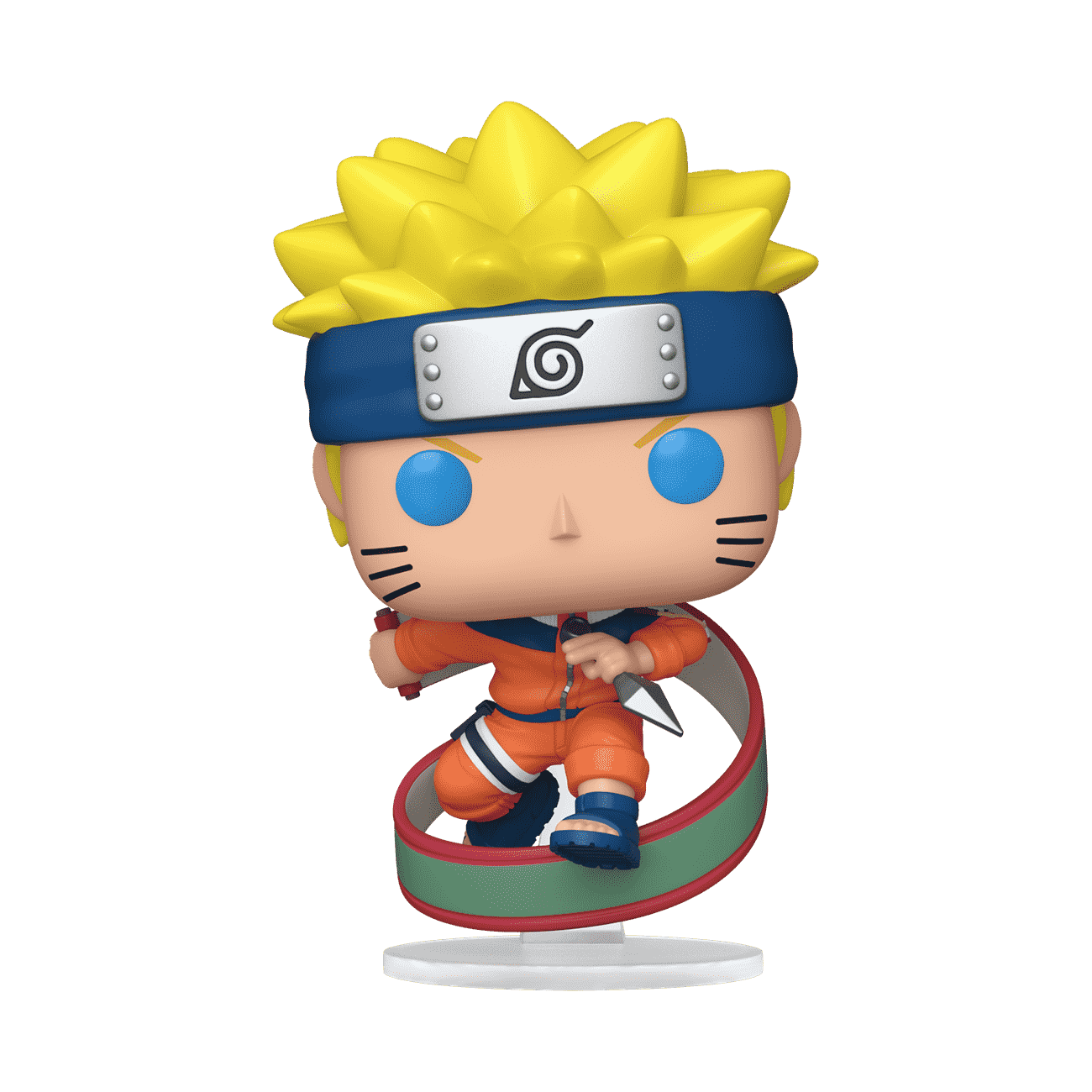
Naruto Funko Pops: How the Line Works and Which Ones Hold Value
There are well over a hundred Naruto Funko Pops across the line, released since the late 2010s, with a steady stream of new store exclusives added on top. Most of them sell at or close to normal retail price.
A small number, mostly retired figures and store exclusives of the most popular characters, sell for multiples of what they originally cost. That’s the honest headline. Here’s how to make sense of the rest of it.
How the line is actually organized
Rather than trying to memorize a hundred-plus individual figures, it helps to understand the five categories every Pop falls into. Once you know these, you can look at almost any Naruto Pop and immediately understand roughly what it’s worth and how hard it is to find.
| Category | What it means | What it does to value |
|---|---|---|
| Common releases | Most of the line. Widely available at normal retail. | Easy to find and easy to replace if damaged. |
| Store exclusives | Tied to one specific retailer and marked with a sticker on the box. | Harder to find once a retailer’s stock sells through, and that sticker matters a lot at resale. |
| Chase variants | A different paint job or design of a common figure, inserted at a low ratio into otherwise normal cases. | You don’t know you have one until you check the box, so finding one is largely luck. |
| Vaulted figures | Officially retired from production. | Where most genuine long-term growth happens, because supply is fixed and slowly shrinking. |
| Convention exclusives | Tied to a specific event like San Diego Comic-Con. | The smallest production runs in the line, and usually the highest resale prices. |
A rule worth taking seriously
Funko’s numbering across waves is dense and easy to mix up, and specific figure numbers, exclusive attributions, and prices change and get misreported constantly across fan sites. If you’re trying to identify a specific figure, cross-check it against Funko’s own official database rather than trusting a number you saw somewhere else.
A figure described accurately without a number is far more useful than a number that turns out to be wrong, and wrong numbers spread fast once one site publishes one.
The box matters more than people expect
If you ever plan to resell, this is the section to actually read. A mint figure in a crushed or shelf-worn box sells for noticeably less than the same figure in clean packaging, sometimes by a large margin, since collectors in this hobby often care as much about the box as the figure inside it.
Things that hurt a box’s value include soft or crushed corners, general shelf wear from being handled at a store, and sun fading on the display window, which happens faster than you’d think under a bright shelf light. If you’re planning to keep a figure long-term or eventually sell it, a hard plastic protector case is genuinely worth the small cost. It’s cheap insurance against the single biggest thing that quietly tanks resale value over time.
How to tell if you’ve got something worth more than retail
Check three things.
- Is it a store exclusive? Look for the sticker on the box.
- Has it been vaulted? A quick search against Funko’s own database will tell you.
- Is it a chase variant? Compare the box art and any variant markings against a standard listing photo.
If none of those apply, you’re almost certainly holding a common release, which is completely fine. It just means the value is in owning it, not in reselling it.
Reissues, and what they do to value
Funko periodically reissues older figures, sometimes with a small design tweak, sometimes identical. When a figure gets reissued, it generally softens the resale price of the original version, because the supply that was shrinking suddenly isn’t anymore.
If you’re buying specifically for value, it’s worth checking whether a figure has ever been reissued before assuming a vaulted status means it’ll stay rare. Plenty of collectors have been caught out by exactly this, buying a “vaulted” figure at a premium only to see Funko quietly bring it back a year or two later.
What drives long-term demand
Beyond the mechanics of exclusives and vaulting, the characters that hold value tend to be the ones with the broadest recognition outside hardcore fandom circles too: Naruto himself, Sasuke, Kakashi, and a handful of fan-favorite variants tied to iconic moments in the show, like Sage Mode or specific fight scenes. A common-release figure of a well-loved character in a striking pose will often outperform a rarer variant of a more minor character, which is the same pattern seen across the trading card side of this hobby.
Starting a collection
If you’re just getting into collecting Naruto Pops rather than trying to make money on them, the advice is simple. Buy the characters you like, keep the box in reasonable condition if you care about future value, and don’t chase every exclusive.
The fun of collecting tends to disappear fast the moment it turns into a spreadsheet, and most people who’ve been in this hobby a while will tell you the same thing.
Display and storage, since it affects both enjoyment and value
Direct sunlight is the single fastest way to fade a figure’s paint and yellow its box over time, so keeping a display shelf out of a sunny window matters more than most new collectors expect. Temperature swings matter too, particularly for figures kept in a garage or attic, where heat can soften vinyl and cause slow warping that isn’t obvious until it’s already happened.
None of this requires anything elaborate. A shelf out of direct light, reasonably stable room temperature, and keeping figures out of boxes stacked in a way that stresses the packaging is usually enough to keep both the figure and the box in the condition they were in on the day they were bought.
The same principles about condition, scarcity, and checking sold listings rather than asking prices apply to cards too, which the guide to what Naruto cards are actually worth covers in detail.
Common questions
How many Naruto Funko Pops are there?
Well over a hundred across the line since the late 2010s, and the number keeps moving because store exclusives and new waves are added regularly. Any fixed count you find online is a snapshot rather than a permanent figure, which is why this guide focuses on the five categories every figure falls into instead.
Which Naruto Funko Pop is the most valuable?
Value concentrates in convention exclusives and vaulted figures of headline characters rather than in any one permanent title. Because Funko numbering is dense and frequently misreported across fan sites, check a specific figure against Funko’s own database before paying a premium based on a number you saw quoted elsewhere.
Does opening the box lower the value?
Yes, and usually by a lot. A mint figure in a crushed or sun-faded box sells for noticeably less than the same figure in clean packaging, and collectors in this hobby frequently care as much about the box as the vinyl inside it. A hard protector case is cheap insurance if you intend to sell later.
What does ‘vaulted’ mean?
It means Funko has officially retired the figure from production. Supply is then fixed and slowly shrinks as figures are damaged or lost, which is where most genuine long-term value growth happens. Check whether a figure has ever been reissued before paying a vaulted premium, because a reissue undoes exactly that scarcity.


