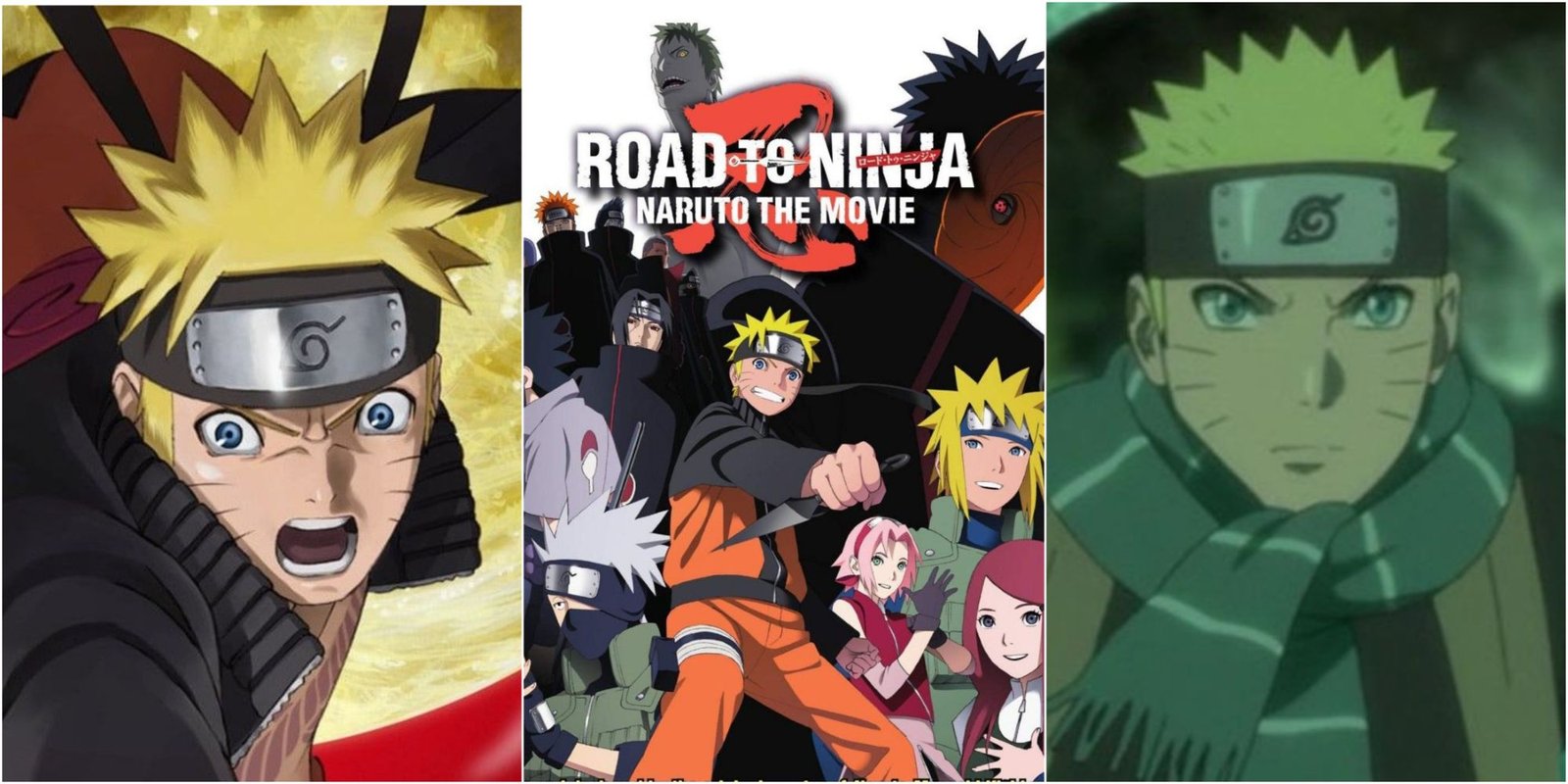
Naruto Shippuden Movies in Order: Release Order vs. Story Order
Seven films belong to the Shippuden era of the franchise, and “in order” is genuinely ambiguous, since release order and story chronology don’t line up for several of them. Here’s both.
Release order vs. chronological order
Release order is how the films actually came out, and it’s how most people naturally watch them. Chronological order is where each film sits within the story’s own internal timeline, which sometimes differs meaningfully from when it was released.
The recommendation here is to watch in release order. These are self-contained films, so chronological placement matters less than it would for a serialized story, and release order also tracks the animation quality improving over the years these films came out.
| # | Film | Year | Canon | Verdict |
|---|---|---|---|---|
| 1 | Naruto Shippuden the Movie | 2007 | No | Solid, standard-issue entry, nothing essential |
| 2 | Bonds | 2008 | No | One of the better-regarded entries, strong villain twist |
| 3 | The Will of Fire | 2009 | No | Kakashi-centered, which is what makes it stand out |
| 4 | The Lost Tower | 2010 | No | Well liked for the Naruto and Minato dynamic |
| 5 | Blood Prison | 2011 | No | Tighter and more contained than most of the set |
| 6 | Road to Ninja | 2012 | No | Clever concept film, one of the most popular with fans |
| 7 | The Last: Naruto the Movie | 2014 | Yes | The one to watch if you only watch one |
Only one of the seven is canon, and every entry below goes into what each film actually covers.
The seven films
Naruto Shippuden the Movie (2007) has Naruto assigned to protect a priestess named Shion, who can predict fate, from a resurrected demon named Moryo, and complications arise when Shion foresees that Naruto himself is going to die. Not canon. Decent, standard-issue entry in the series, nothing essential, but a solid watch.
Naruto Shippuden the Movie: Bonds (2008) sees a group of flying ninja from a supposedly destroyed nation attack Konoha seeking revenge for a war generations earlier, and Naruto crosses paths with Sasuke again while protecting a boy caught up in it. Not canon. One of the better-regarded entries in the series, with a strong villain twist.
Naruto Shippuden the Movie: The Will of Fire (2009) has shinobi with kekkei genkai disappearing across the villages, and Konoha’s leadership concludes Kakashi is connected to it, setting up a plan that would sacrifice him. Not canon. A Kakashi and Naruto-centered story, which is unusual for this set of films and a large part of why it stands out.
Naruto Shippuden the Movie: The Lost Tower (2010) has Naruto and Yamato, chasing a rogue ninja, thrown twenty years into the past, where Naruto meets a young version of his own father, Minato. Not canon. Generally well liked, largely because of the father-son dynamic it gets to explore that the main story never could.
Naruto Shippuden the Movie: Blood Prison (2011) frames Naruto for an assassination attempt and throws him into a maximum-security prison that steals its inmates’ chakra, and he has to find a way out from the inside. Not canon. A tighter, more contained story than most of the others in this set.
Road to Ninja: Naruto the Movie (2012) traps Naruto and Sakura in a genjutsu-built alternate world where Naruto’s parents are alive and everyone’s personalities are flipped, courtesy of Tobi. Not canon, though it’s a clever concept film and one of the most popular entries with fans, in part because it directly explores what Naruto’s life might have looked like if things had gone differently.
The Last: Naruto the Movie (2014) is set roughly two years after the Fourth Great Ninja War, and this is where the Naruto and Hinata relationship actually develops and resolves, sitting in the gap between the war arc’s end and the manga’s final chapter epilogue. This is the only canon film in this set, and it does real work: if you only watch one Shippuden film, make it this one. That’s the single most useful recommendation on this whole page.
An honest note on quality
These seven films vary quite a bit in reception. Most are non-canon side stories with original, one-off villains, and general fan consensus holds that a few are strong while a handful are more forgettable. Rather than perform enthusiasm for all seven, it’s worth reporting that honestly: a page that recommends everything equally ends up recommending nothing in particular.
Why non-canon doesn’t automatically mean skippable
Push back slightly on the instinct to treat every non-canon film as optional filler by default. A film’s canon status tells you whether it affects the main plot, not whether it’s worth your time. Road to Ninja and Bonds are both non-canon and both still regularly show up on fan lists of the franchise’s better films, precisely because they use the freedom of a standalone story to do things the ongoing manga couldn’t easily fit in, like showing an alternate version of Naruto’s family or giving Sasuke a meaningful appearance during a stretch of the manga where he was largely absent. Canon status is a fact about plot relevance, not a verdict on quality.
Where to actually watch them
Availability for these films varies more than for the series itself, which is worth knowing before you plan a watch order around them.
The Shippuden films have moved between streaming services repeatedly and are not reliably bundled with the show. In many regions the series is available on a major platform while several of its films are not, or are sold separately as digital purchases. The Last is generally the easiest of the seven to find, which is convenient given that it is the one worth prioritizing.
Check your own region’s catalogue before assuming a film is included with the series, since licensing for anime films is negotiated separately from the television run.
A quick note for Boruto-era viewers
Boruto: Naruto the Movie, released in 2015, belongs to the Boruto era of the franchise rather than the Shippuden era, and it’s the second canon film in the franchise after The Last. It’s covered separately from this list since it sets up the sequel series rather than sitting within Shippuden’s own timeline.
Note also that Boruto: Naruto the Movie is not included in this list of seven, since including it here would make the count wrong for a page specifically about Shippuden-era films.
Common questions
How many Naruto Shippuden movies are there?
Seven belong to the Shippuden era. Boruto: Naruto the Movie is sometimes counted alongside them but belongs to the Boruto era rather than Shippuden.
Which Shippuden movie is canon?
Only The Last: Naruto the Movie. The other six are self-contained side stories with original villains that do not affect the main plot.
What order should I watch them in?
Release order. These are self-contained films, so chronology matters less than it would for a serialised story, and release order also tracks the animation quality improving over the years.
Which one should I watch if I only watch one?
The Last. It is the only canon entry, it develops and resolves the Naruto and Hinata relationship, and it fills the gap between the war arc’s end and the manga’s epilogue.


